A city full of history and modernity

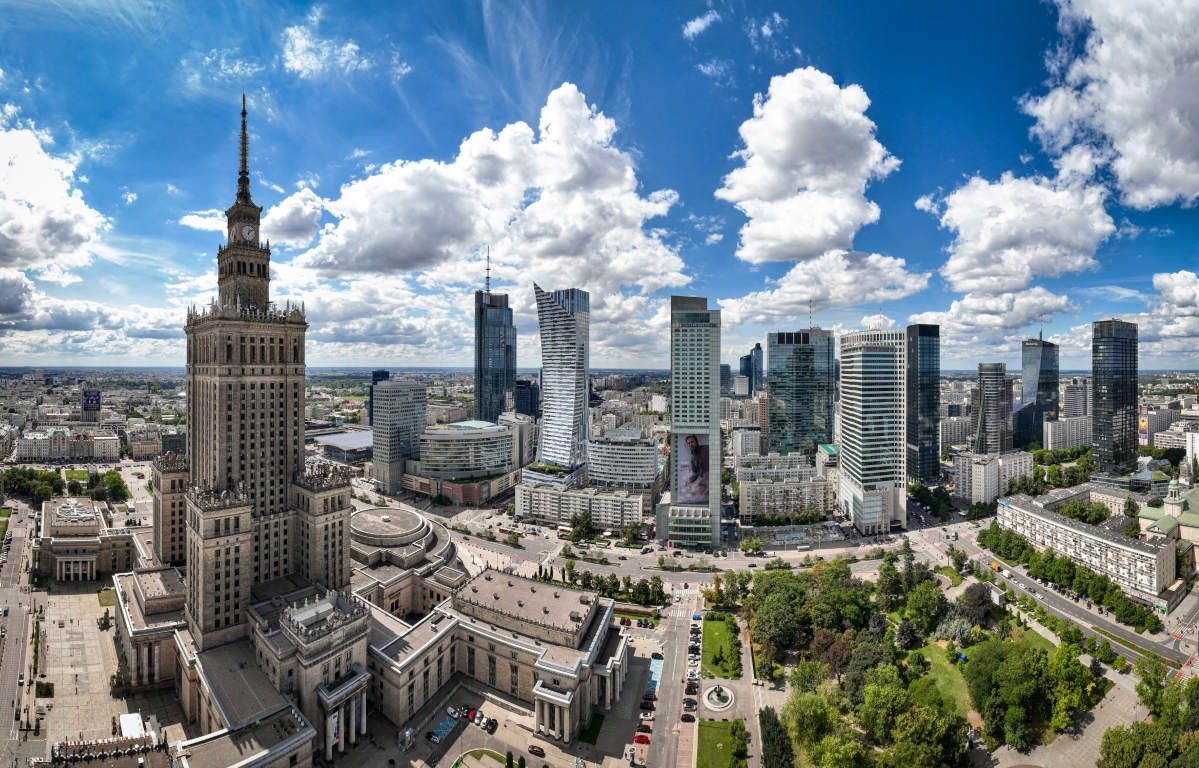
Warsaw is Poland’s dynamically developing business and political centre, where key government institutions, international companies and organisations have their headquarters. The city is famous for its rich educational, tourist and culinary scenes, but at the same time is a green capital, full of beautiful parks, beaches and cycle routes. The second half of May is the perfect time to discover the city in full bloom!
The Vistula—a wild river with natural beaches
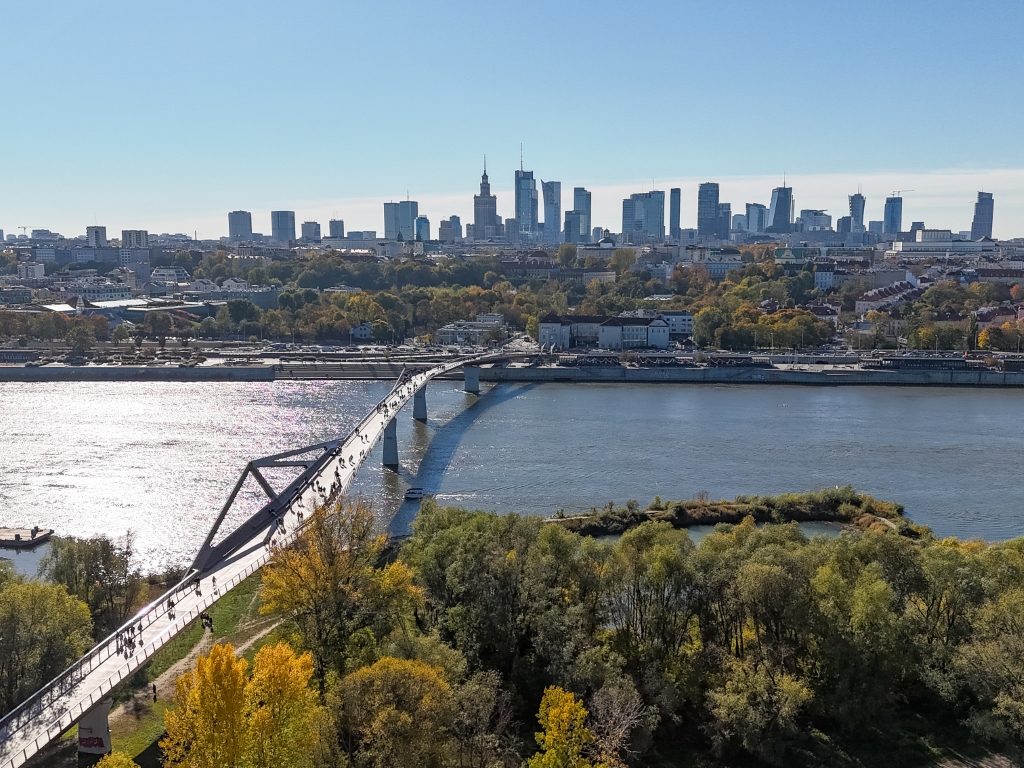
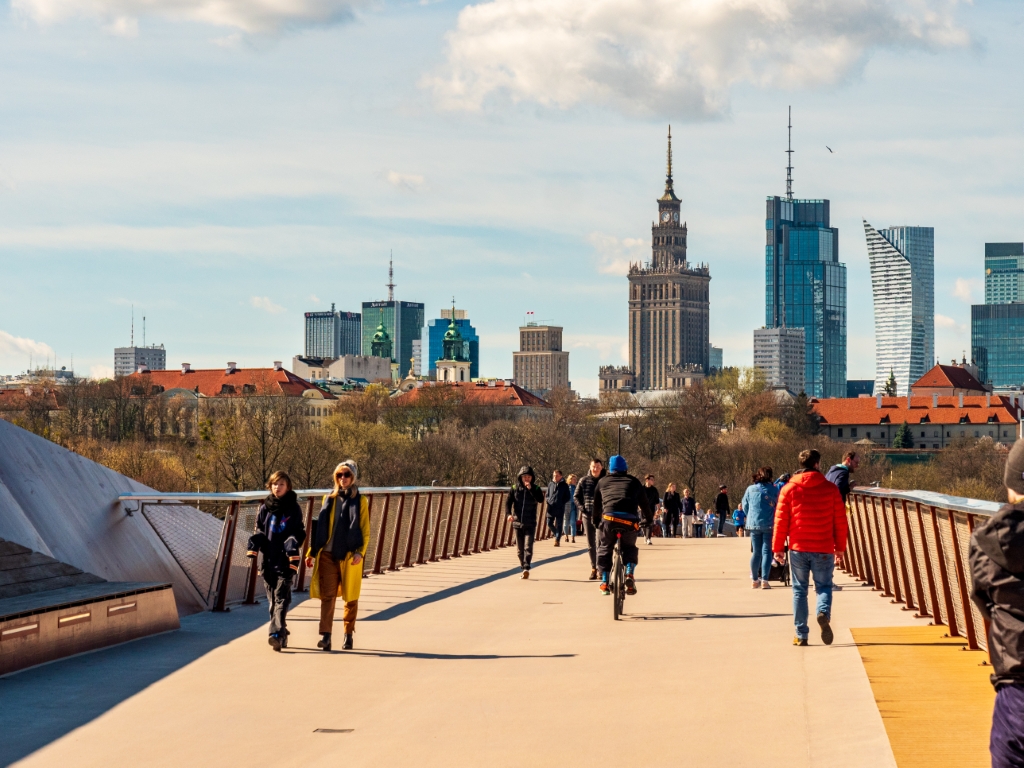
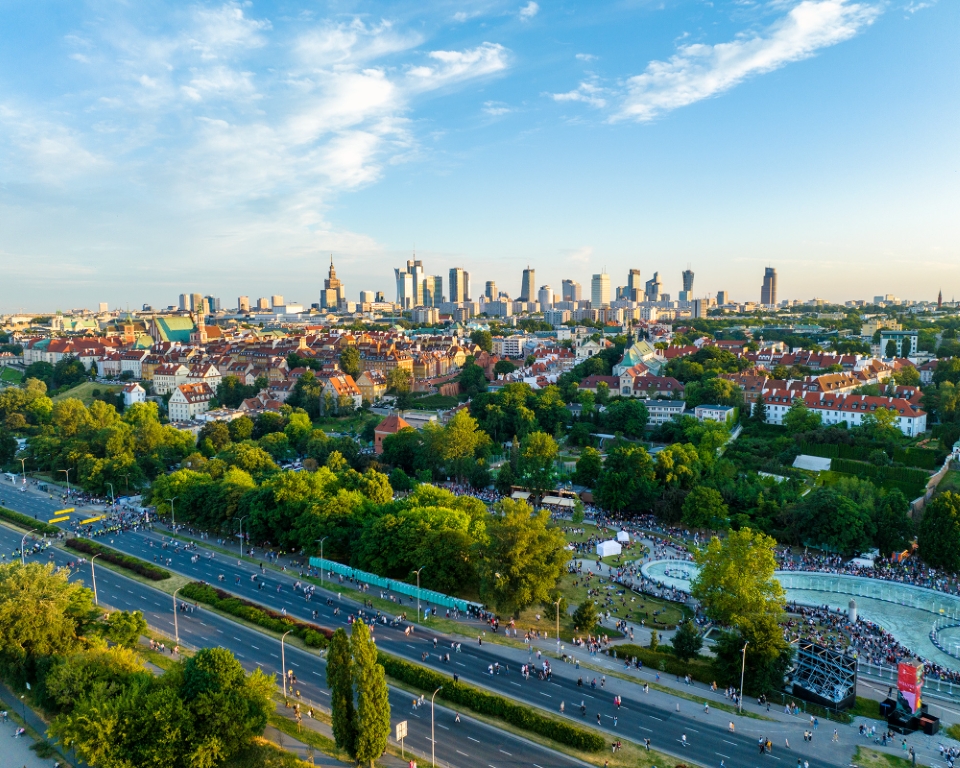
It is hard to imagine Warsaw without the Vistula—the river has been crucial to the city’s development for centuries. These days its banks are bustling with life, especially in spring, when the boulevards become the perfect spot for a walk, a bike ride, or to unwind with a coffee. The pedestrian and bicycle bridge connecting downtown Warsaw with the Old Praga district on the right bank is also an excellent vantage point, offering breathtaking views of the Old Town and Warsaw city centre.
It is also worth visiting the nearby University Library, the roof of which has one of the most beautiful gardens in Warsaw. The extensive green terraces with picturesque views of the Vistula River and the city skyline are an ideal place for a moment’s rest. Especially in May, when everything is turning green, you can take a break from the city hub-bub and enjoy the spring.
On the other side of the river are wild, sandy beaches that are the complete opposite of the bustling, urbanised left bank. This is one of the few places in Europe where you can relax in the centre of a capital surrounded by untamed nature. Poniatówka Beach and the area around Saska Kępa attract those seeking tranquillity and contact with nature.
A stroll around the Old Town
A must-see on the map of the capital is the Old Town—a UNESCO World Heritage site. It is worth walking along the picturesque streets, exploring the bustling Old Town Square, and feeling the unique atmosphere of old Warsaw. This is created by the numerous street artists, craftsmen and traders—including an organ-grinder, whose music draws the attention of passers-by.
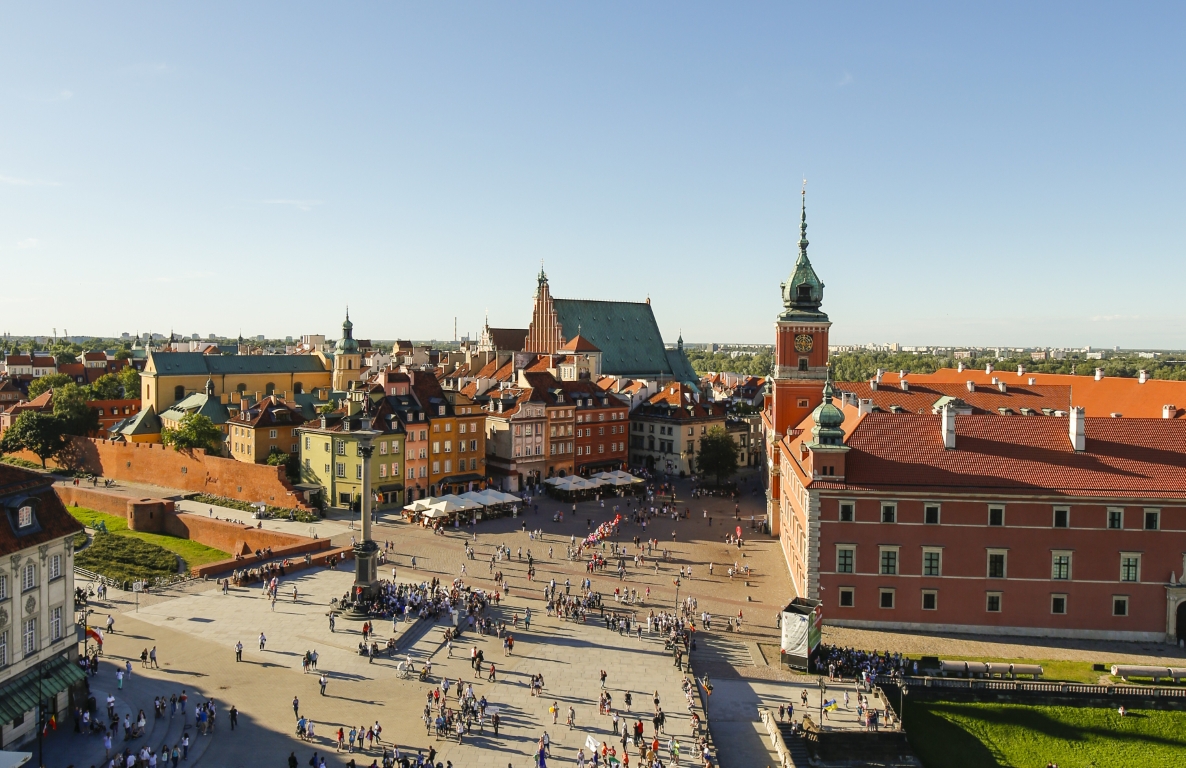
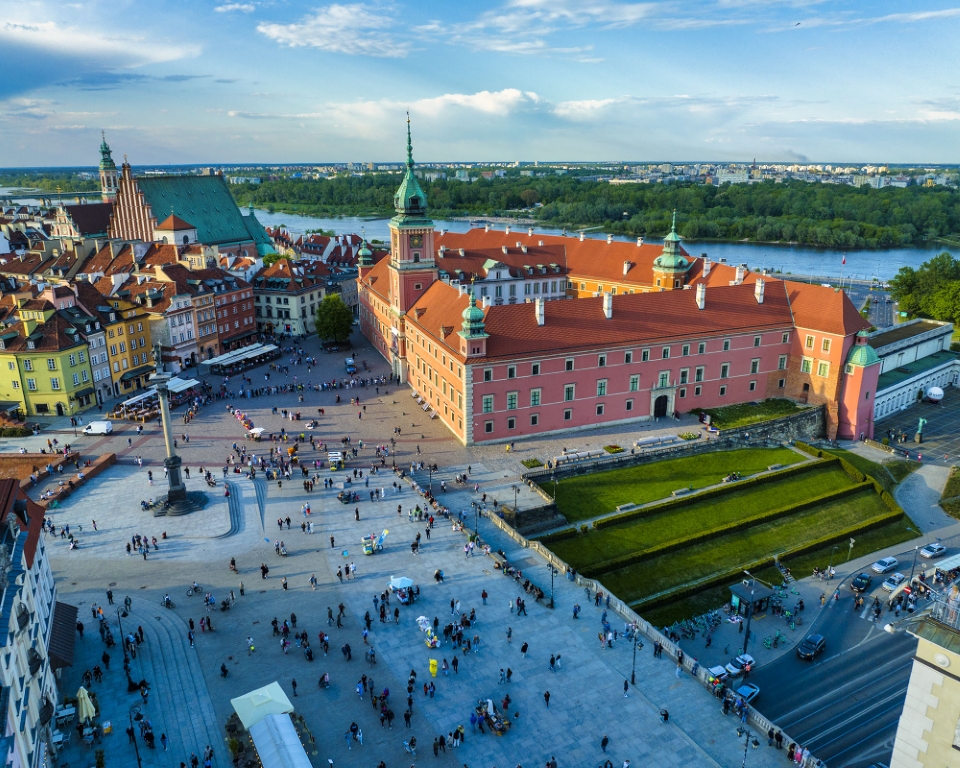
Castle Square is home to the towering Sigismund III Vasa Column—the oldest secular monument in Warsaw and one of the capital’s most popular meeting places. Right next to it is the baroque-classicist Royal Castle, once the seat of kings and today a museum full of unique works of art.
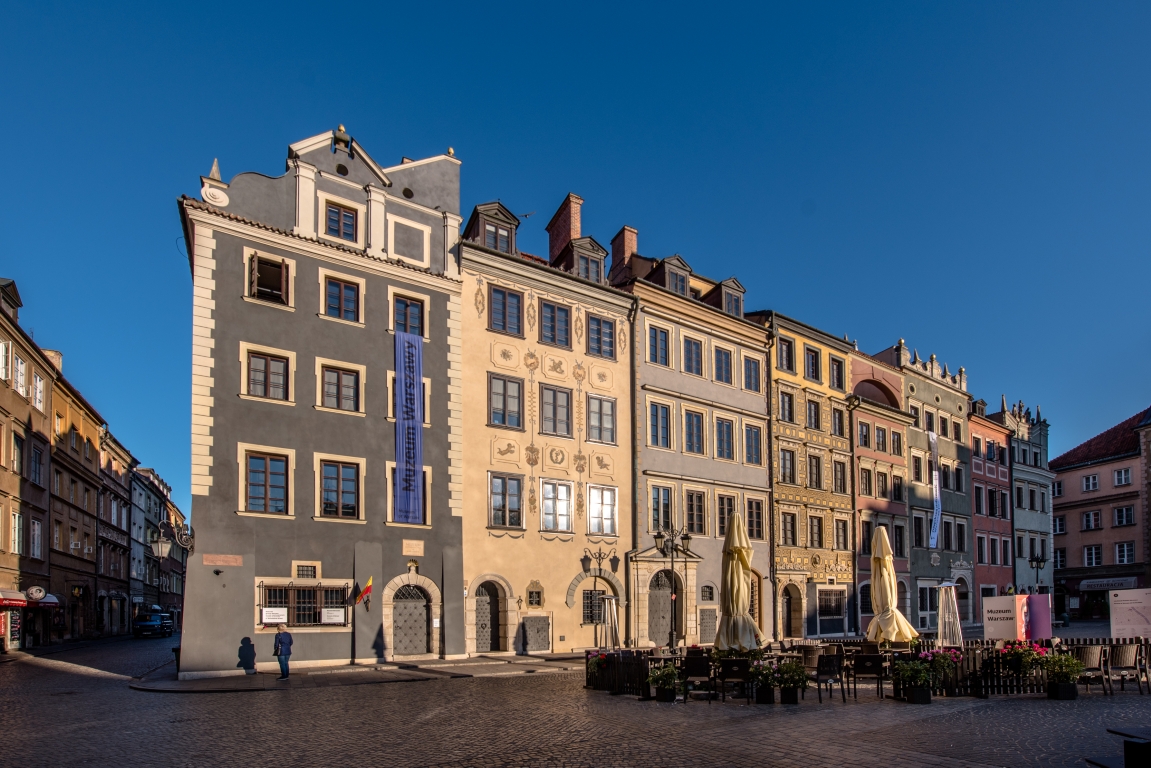
The Old Town Square is famous for its Mermaid statue and the Museum of Warsaw, which occupies no fewer than 11 tenement houses and relates the city’s history through its ‘Things of Warsaw’ exhibition. The museum’s on-site shop is worth visiting—it’s a great place to buy souvenirs.
Warsaw—the city of Fryderyk Chopin
Warsaw is a city inextricably linked with Fryderyk Chopin, who spent the first half of his life here. It is here that a biographical museum about him is located, as well as his heart, which was laid to rest in a pillar at the Church of the Holy Cross. Chopin’s music rings out at every turn in Warsaw—daily recitals at various venues around the city and multimedia Chopin benches are a constant reminder of the great artist.
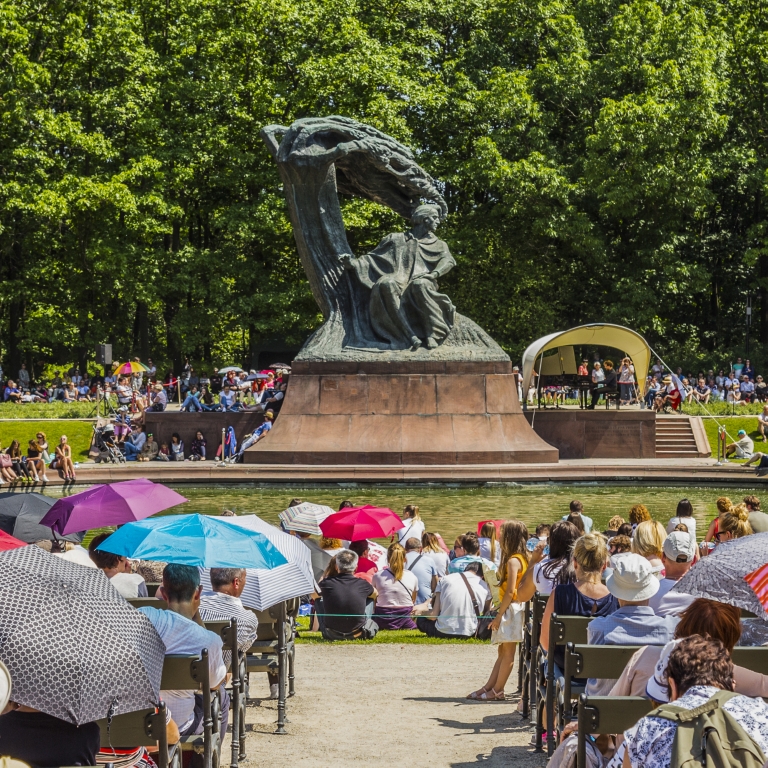
Among the greatest Chopin-related attractions are summer concerts in Royal Łazienki Garden. Every Sunday from May to September, at noon and 4 pm, the composer’s works can be heard at the Chopin monument, played by the best pianists.
This year, one of the world’s most important musical events will be held—the International Chopin Piano Competition.
Warsaw flavours—from the traditional to the contemporary
Warsaw is a real foodie paradise. Pierogi (dumplings), pyzy (another type of dumpling) with meat, tripe, żurek (rye soup), and steak tartare can all be sampled at swish restaurants in the Old Town, while simpler, more homely dishes of Warsaw’s cuisine are served in milk bars. These places, replete with the atmosphere of the country’s communist era, draw visitors with their fast service and affordable prices.
Those with a sweet tooth will also find something here to suit their tastes. Traditional Warsaw doughnuts from the Blikle or Zagoździński patisseries, thick chocolate from Wedel, and artisanal ice cream from Grycan are true classics that have been delighting Varsovians and tourists alike for years.
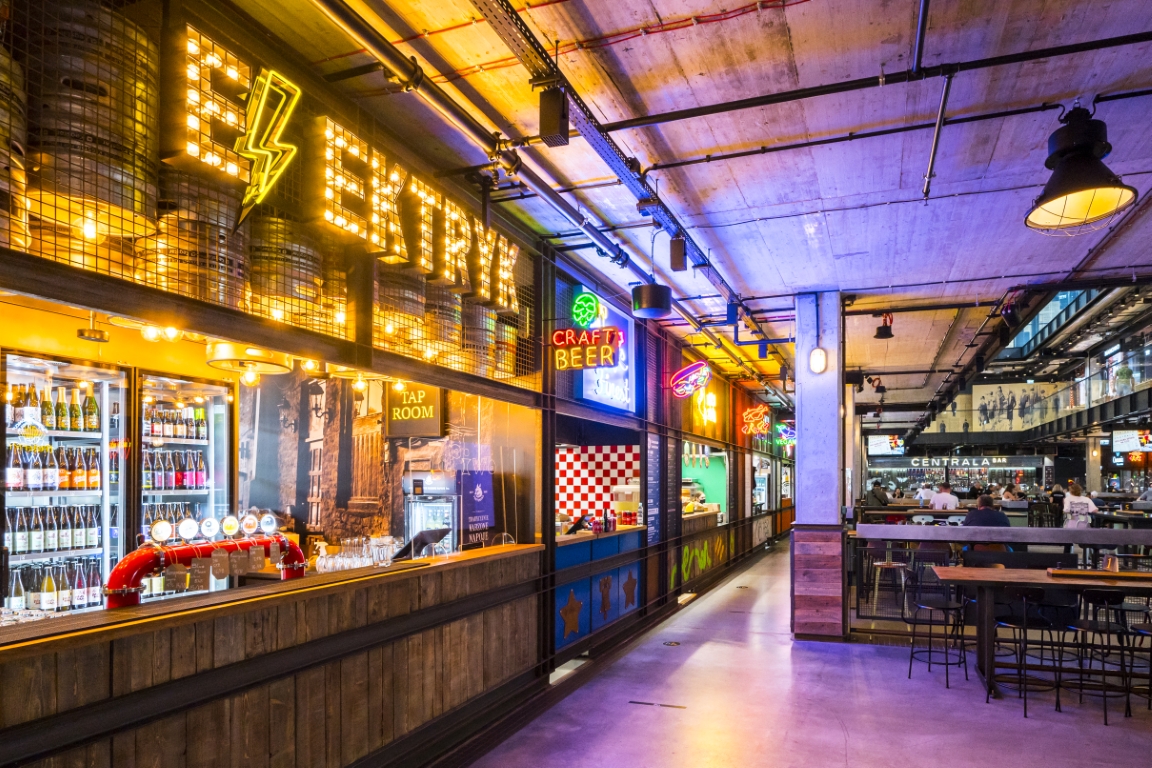
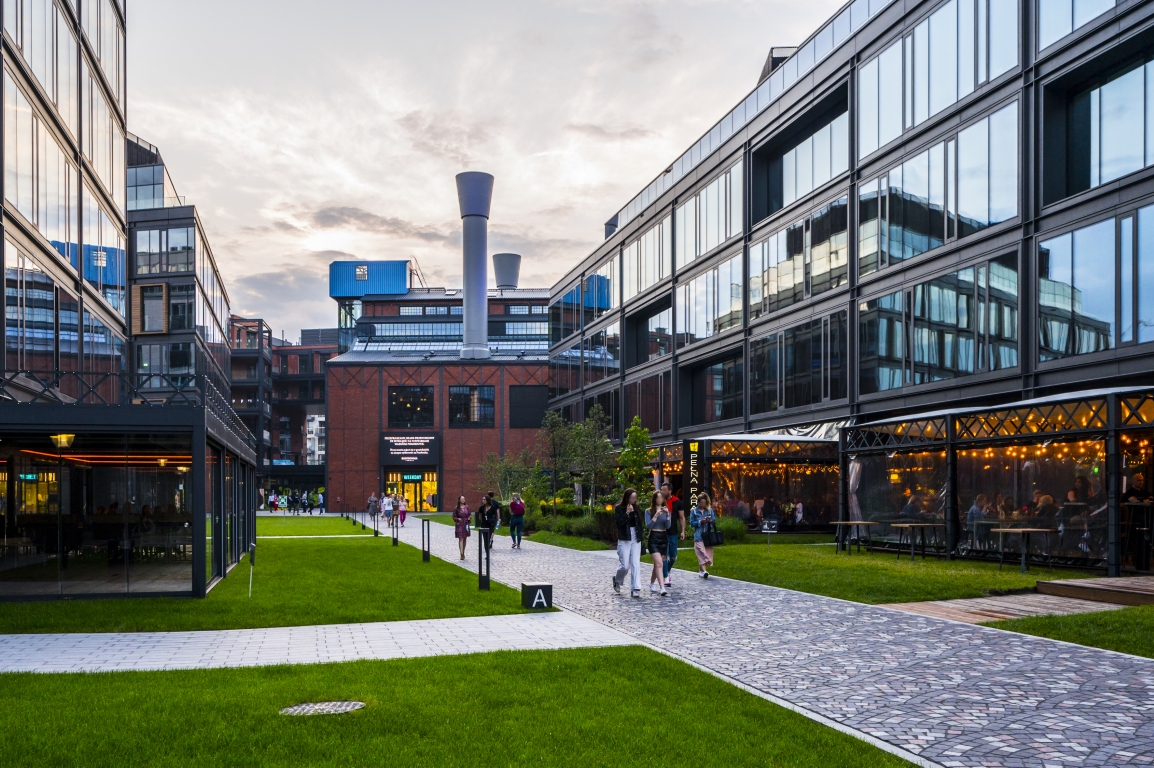
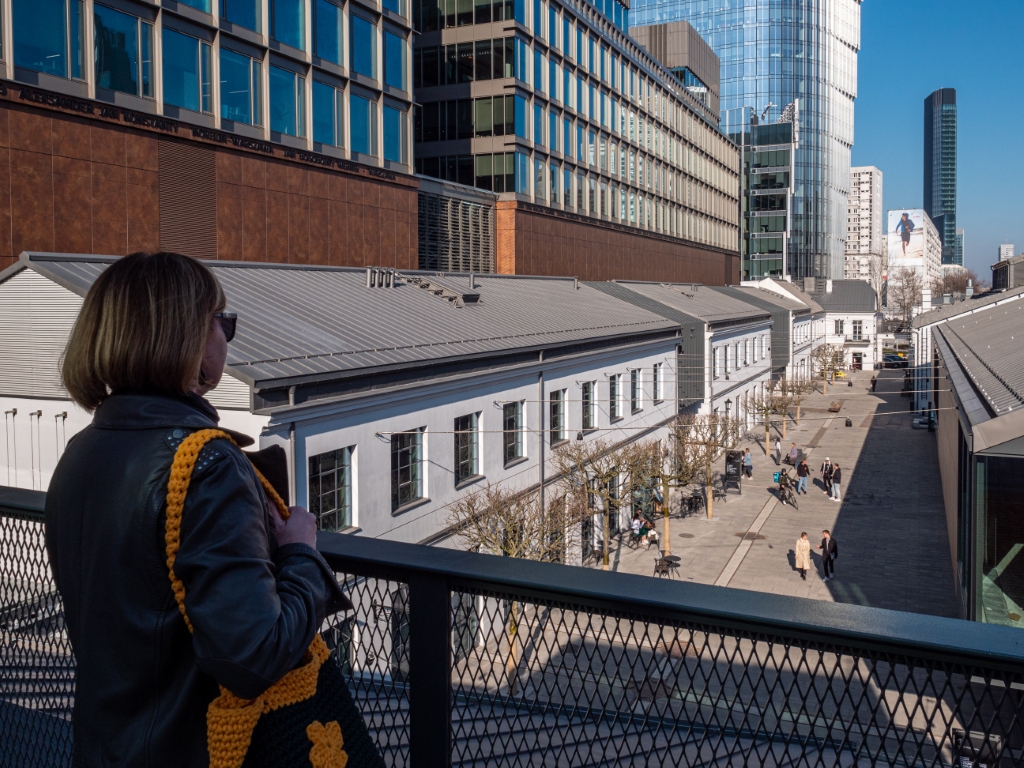
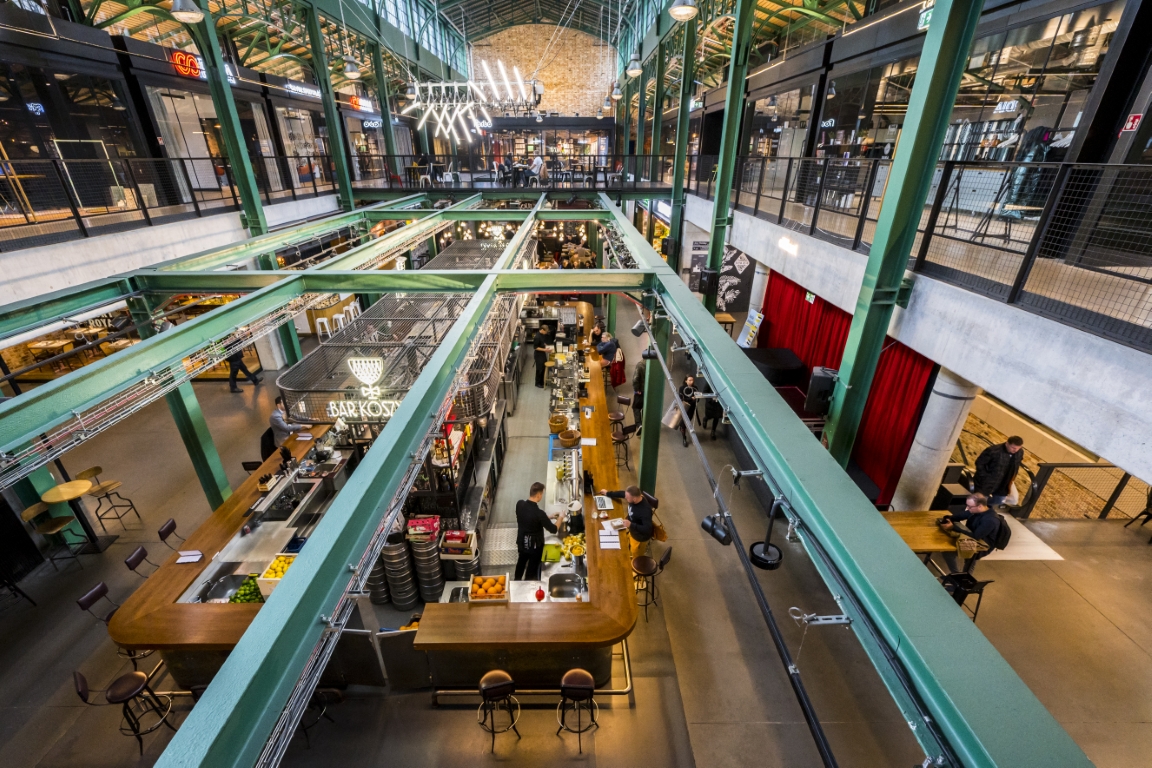
Lovers of international cuisine will find their favourite flavours in modern venues such as Hala Koszyki, Fabryka Norblina, Elektrownia Powiśle or Centrum Praskie Koneser, which house restaurants serving dishes from every corner of the world. The Warsaw culinary scene enjoys recognition both from the prestigious Michelin Guide and the opinion-forming HappyCow Vegan Guide blog, which every year ranks the capital at the vanguard of the most vegan-friendly cities.
More practical information and current cultural events can be found at go2warsaw.pl.